Stories
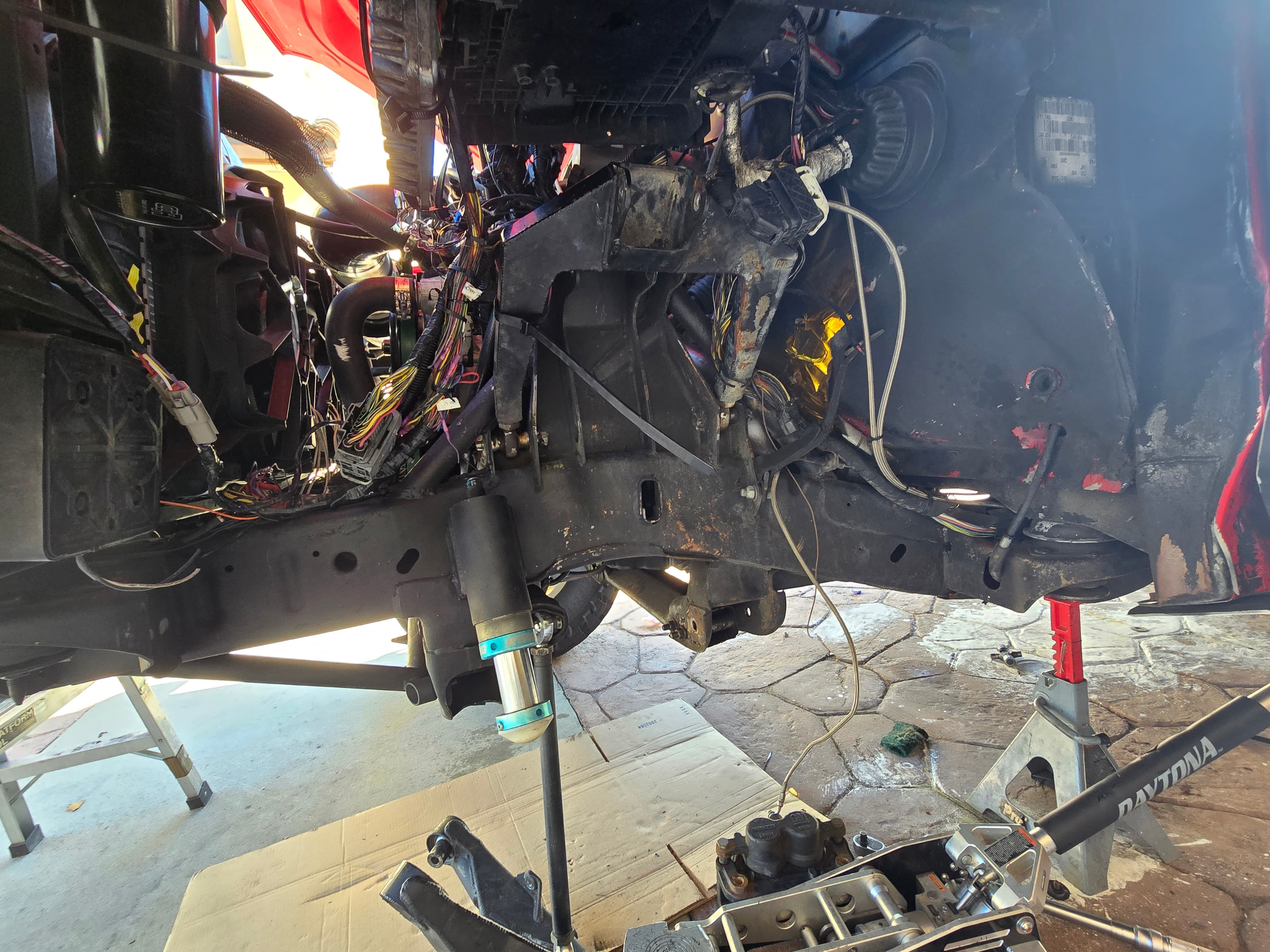
Founder vehicle update: a frame-horn rebuild before the next log
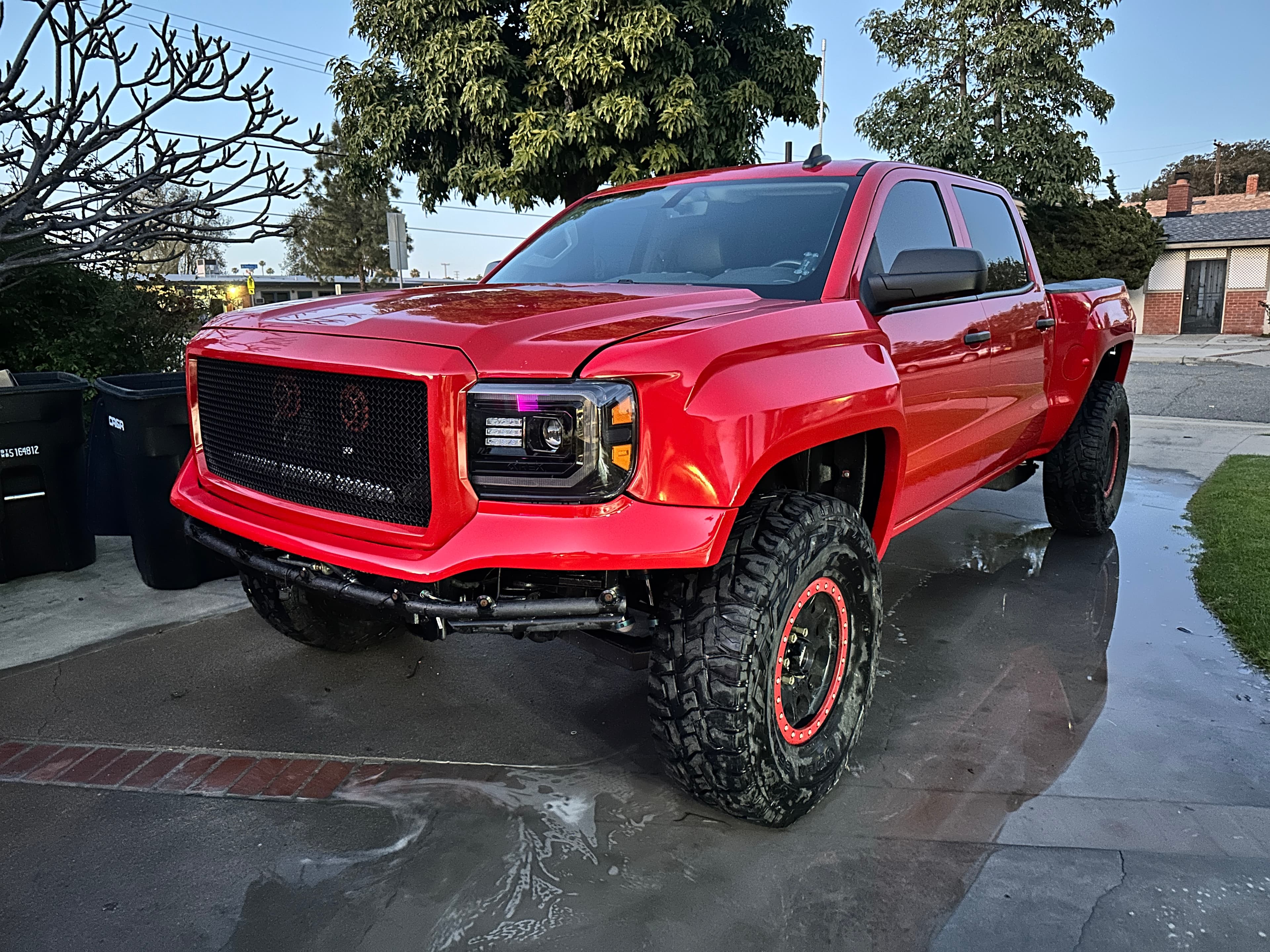
The driver-side front rail on the 416 Whipple Sierra measured 12.1° of roll through a 21-inch window. The next phase is engine-out: a professionally validated donor frame-horn splice, new front suspension, and an engine cage—before the next log.
How TuneView Uses AI Without Letting It Invent Tuning Data
A real TuneView quality-control run started with 2,142 pending knowledge rows and ended at zero. The useful story is not how much AI produced. It is how much the system refused to publish.
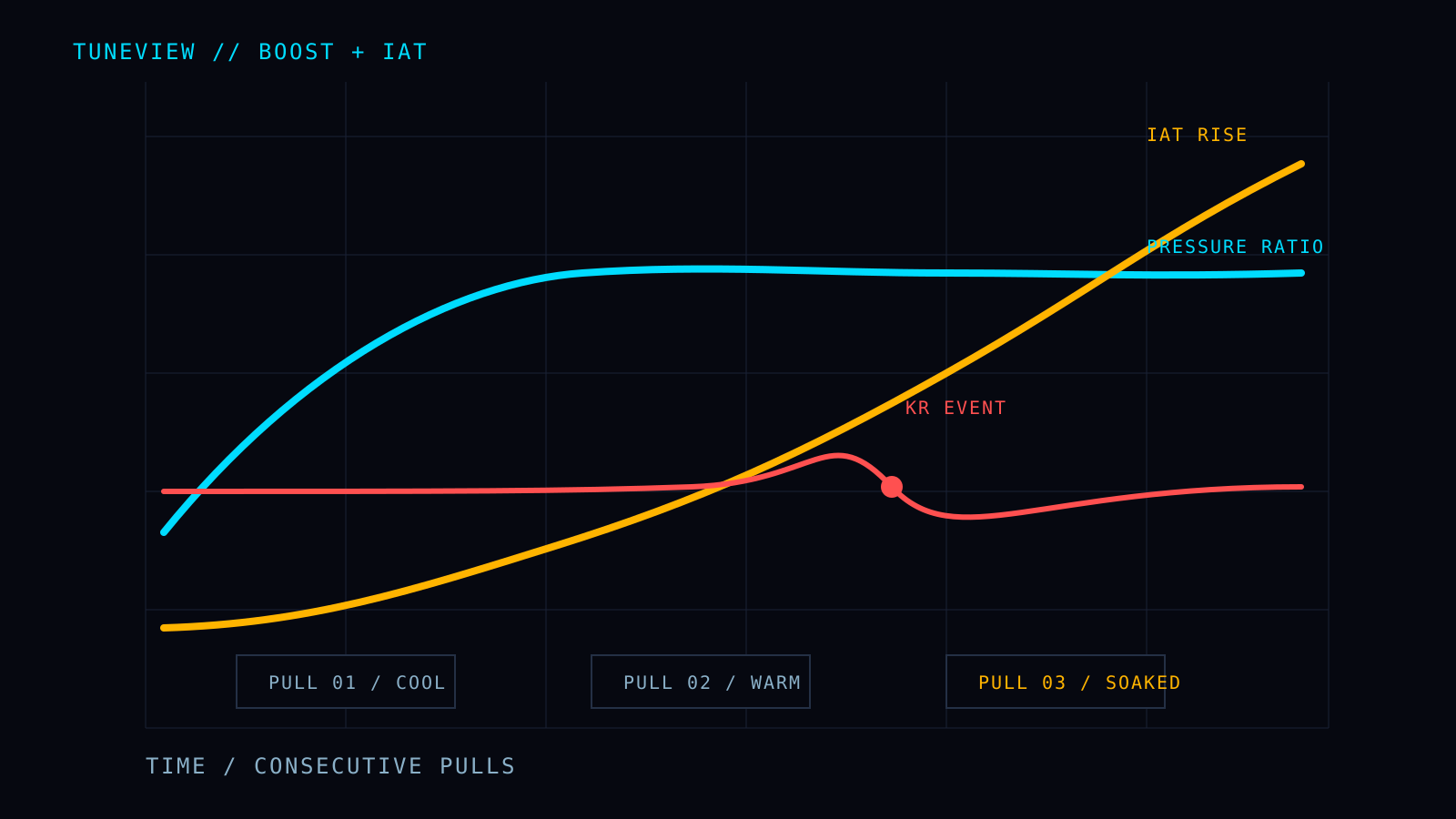
How to Log Boost and IAT Heat Soak
Separate boost behavior from heat-soak behavior with the channels that explain both. A clean log shows whether the limit is pressure, temperature, fueling, or the calibration response to those conditions.
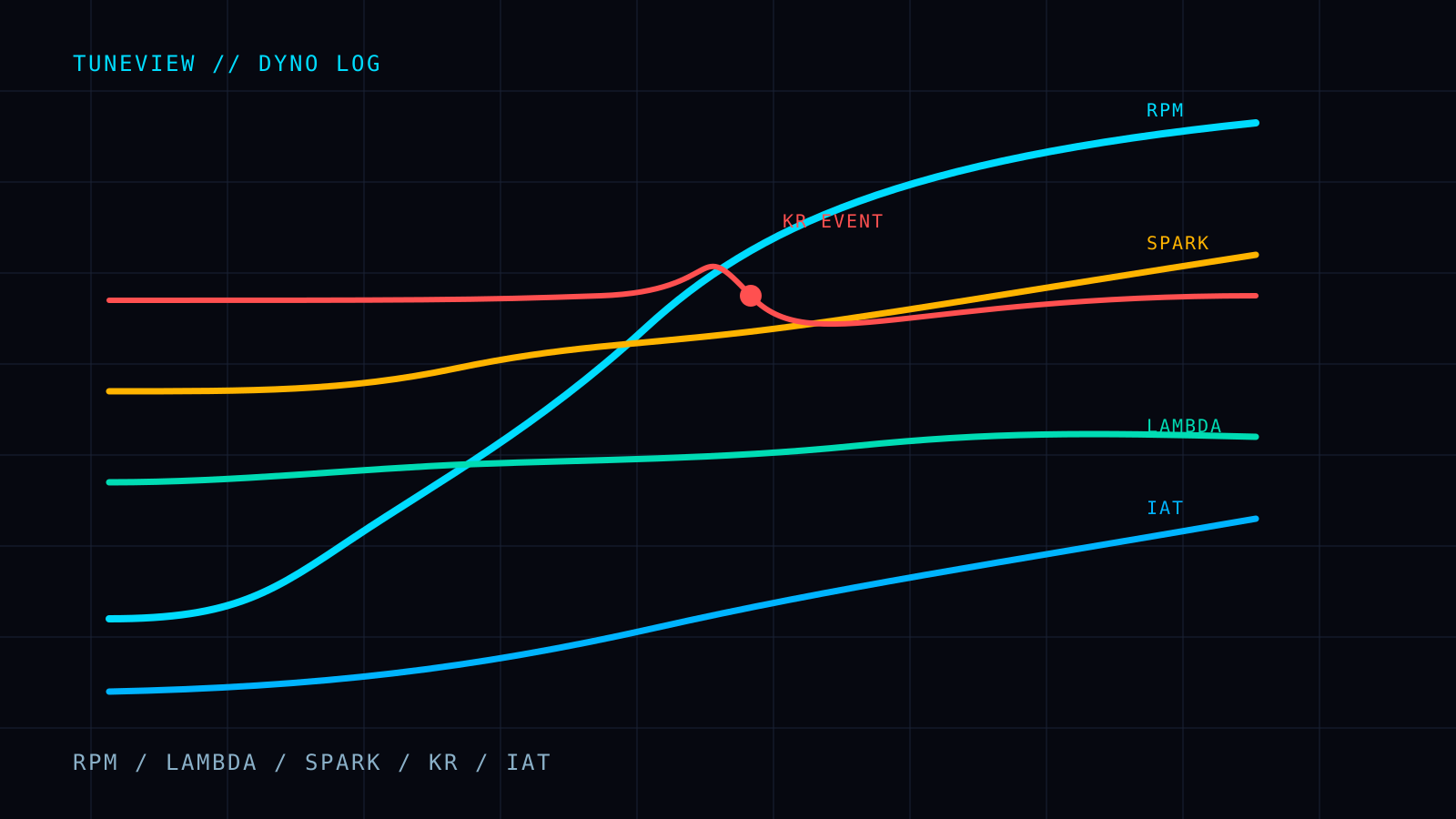
How to Log for a Dyno Tune
A dyno pull is only as useful as the channels recorded with it. Set up the scanner before the car is strapped down, capture a clean baseline, and leave the session with data you can act on.
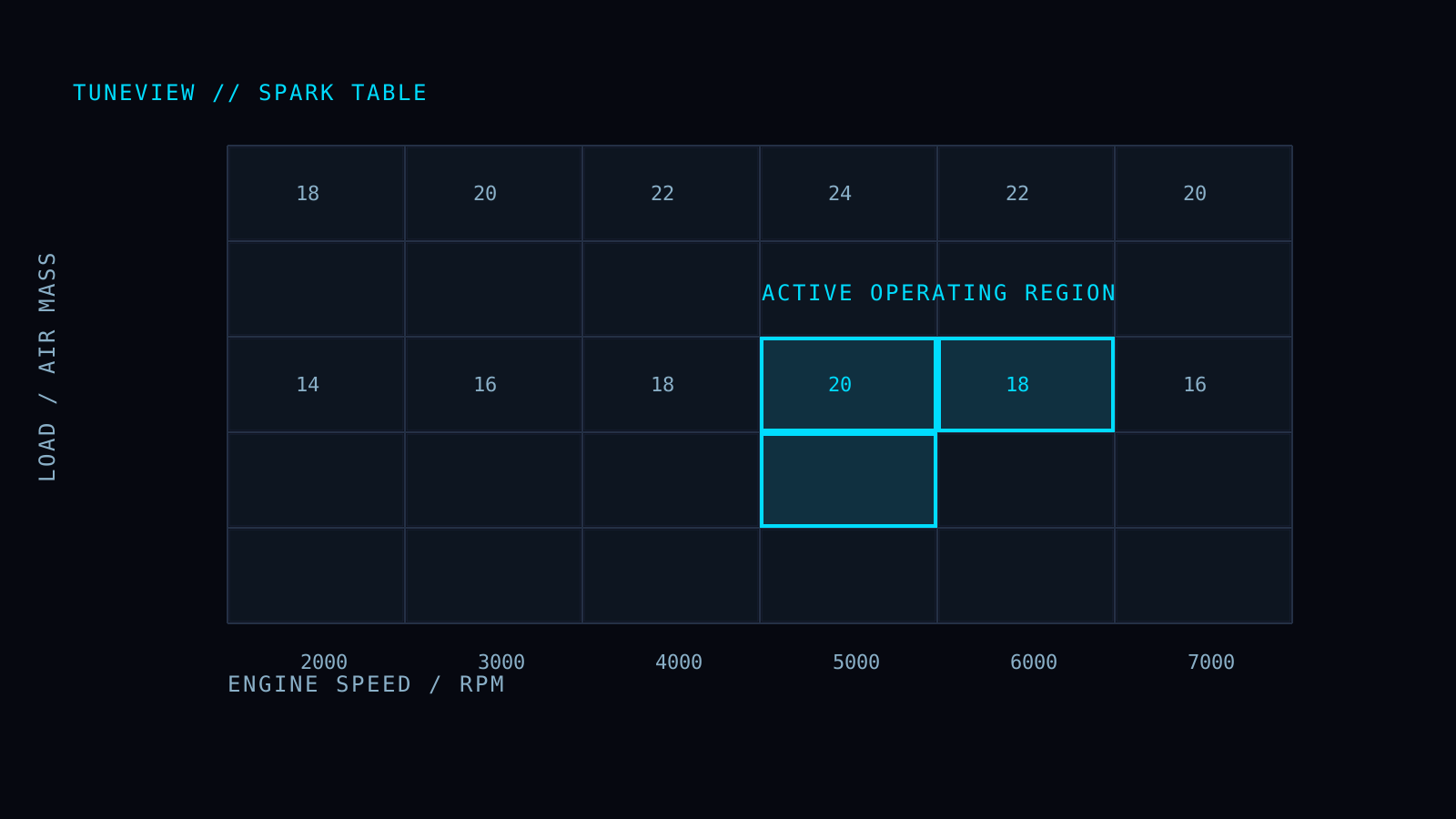
How to Read Spark Tables in HP Tuners
Spark tables are not a single timing number. Read the operating cells, modifiers, and logged response together before deciding whether a timing change belongs in the calibration.
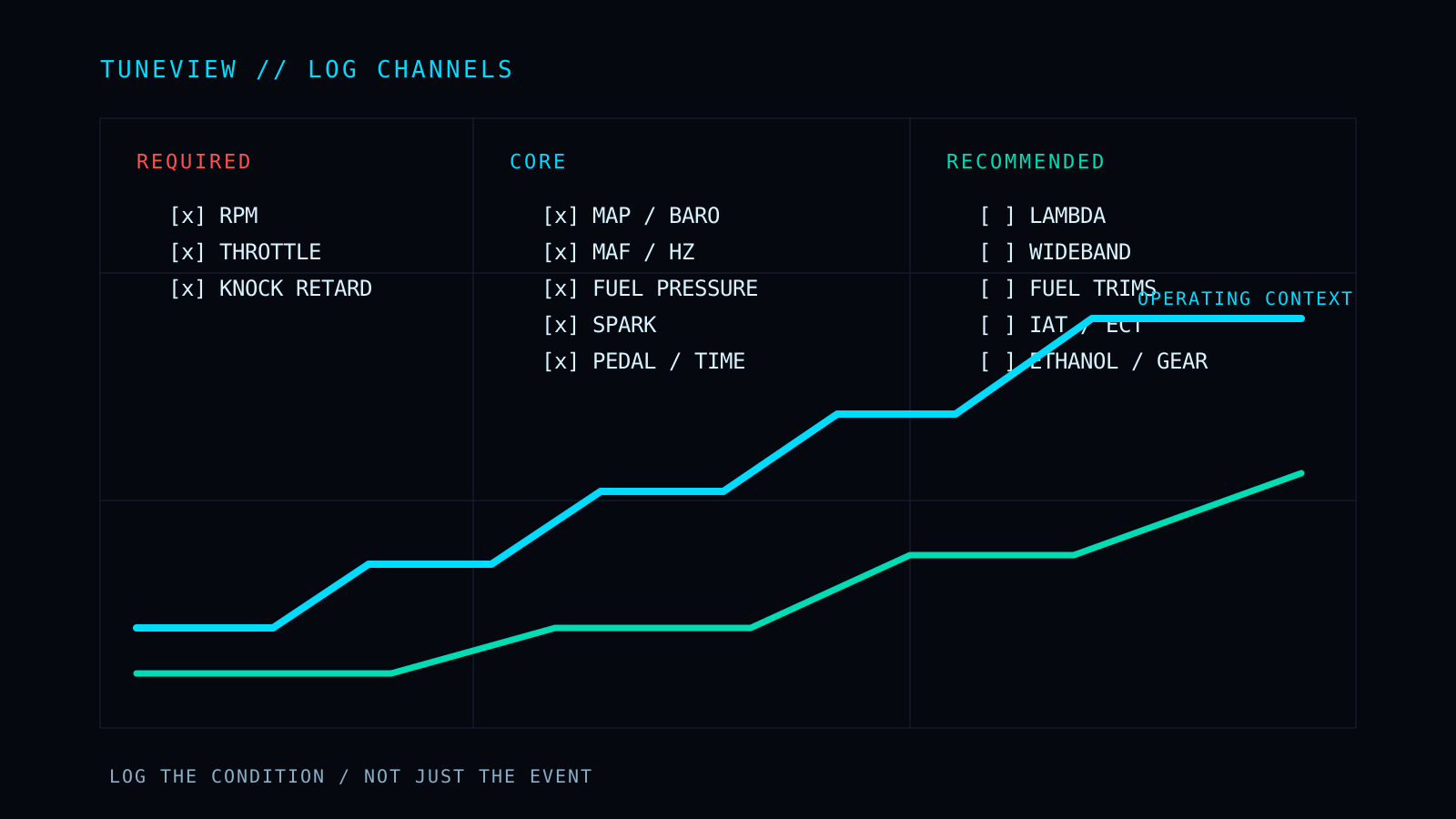
What Channels Should I Log in HP Tuners?
A useful HPTuners log does more than record RPM and throttle. This checklist explains the channels that establish safety, fueling, airflow, boost, and the context behind a calibration decision.
Tuning a 416 Whipple Sierra with TuneView: One Full Revision Loop, Verdicts Included
A 416ci Whipple Sierra went through two real TuneView rounds. One recommendation improved, two held flat, and two got worse. The verdicts are the point.
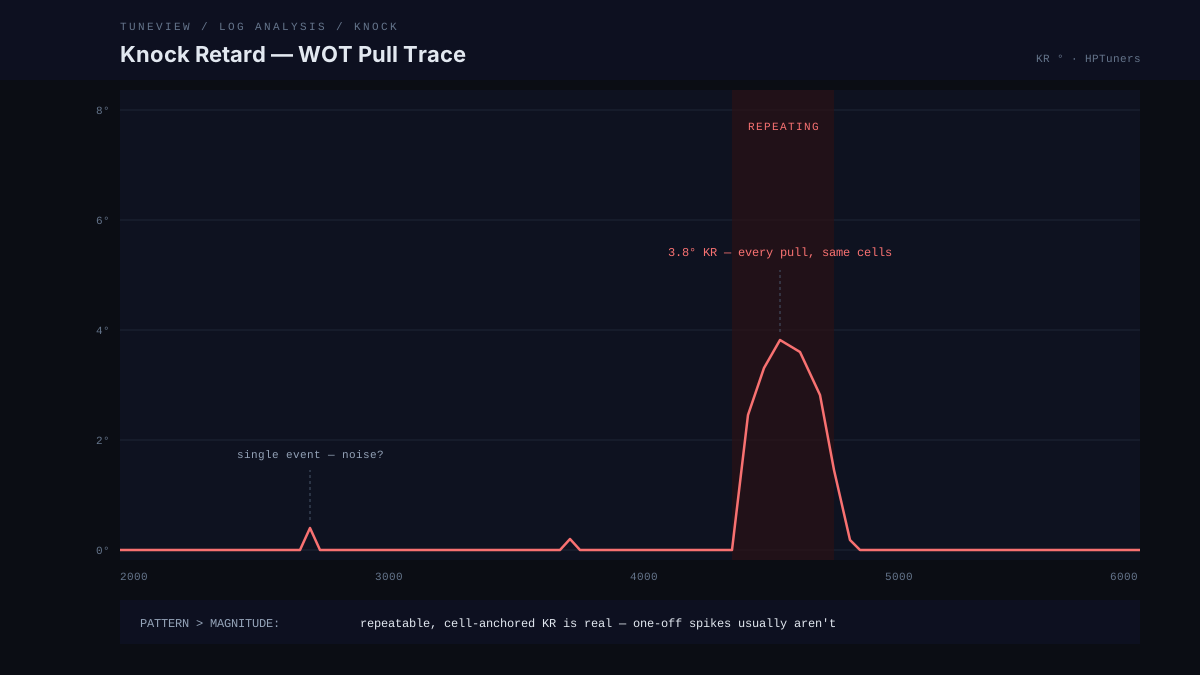
How to Read Knock Retard in an HPTuners Log
Knock retard is the ECM telling you exactly where it doesn't trust your tune. Here's how to read the KR channel correctly, separate real knock from false knock, and decide what actually needs to change.
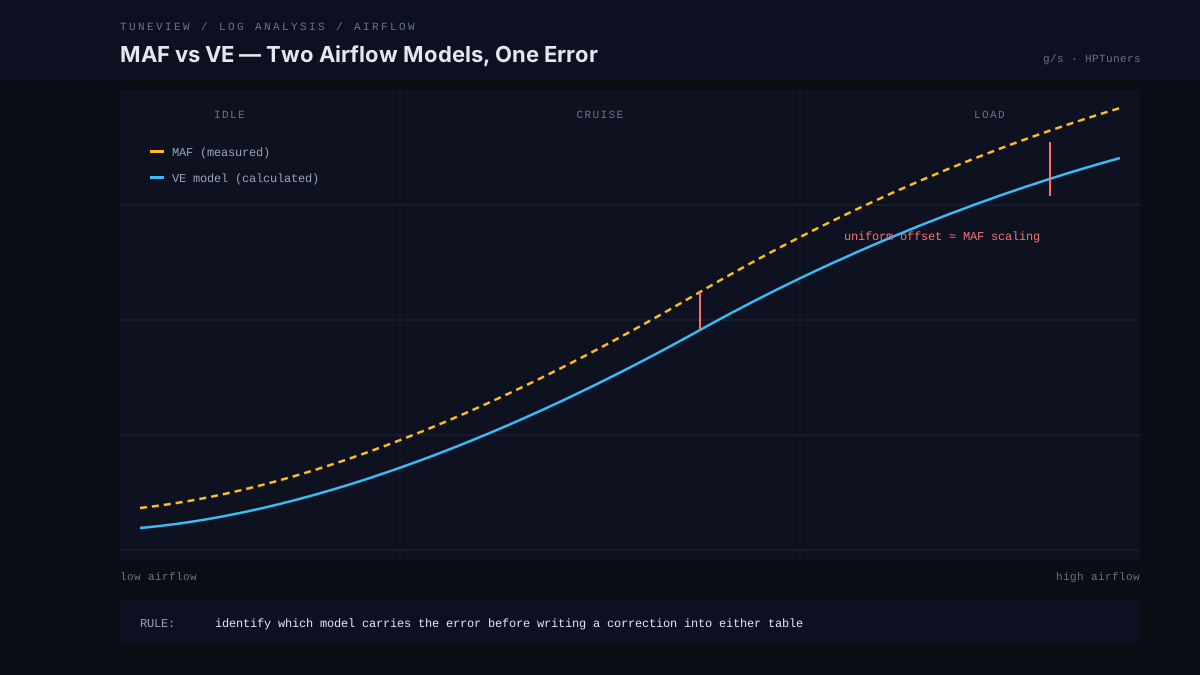
MAF vs VE: Which Table Is Actually Wrong?
Your fuel trims say the airflow model is off — but there are two airflow models, and correcting the wrong one bakes the error in deeper. Here's how to isolate MAF error from VE error using the log you already have.
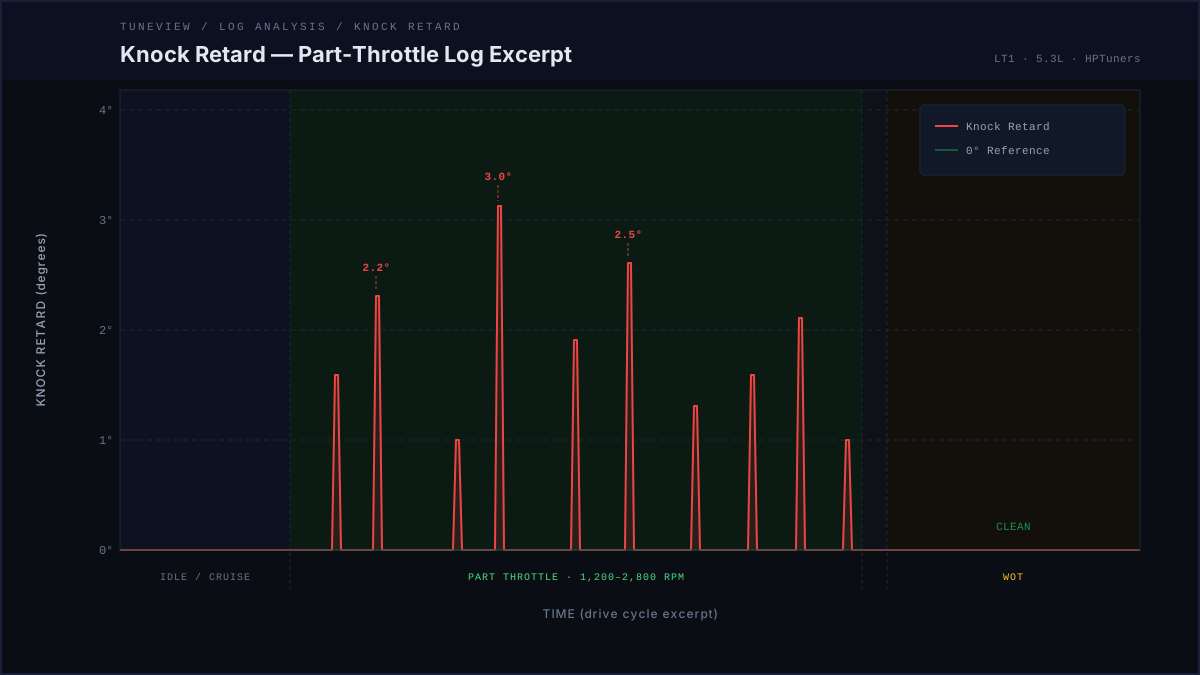
The LT1 Knock Pattern Most Tuners Miss
A part-throttle knock pattern appears in many LT1 logs, and it's invisible if you only review WOT pulls. Here's what it looks like and why it matters.
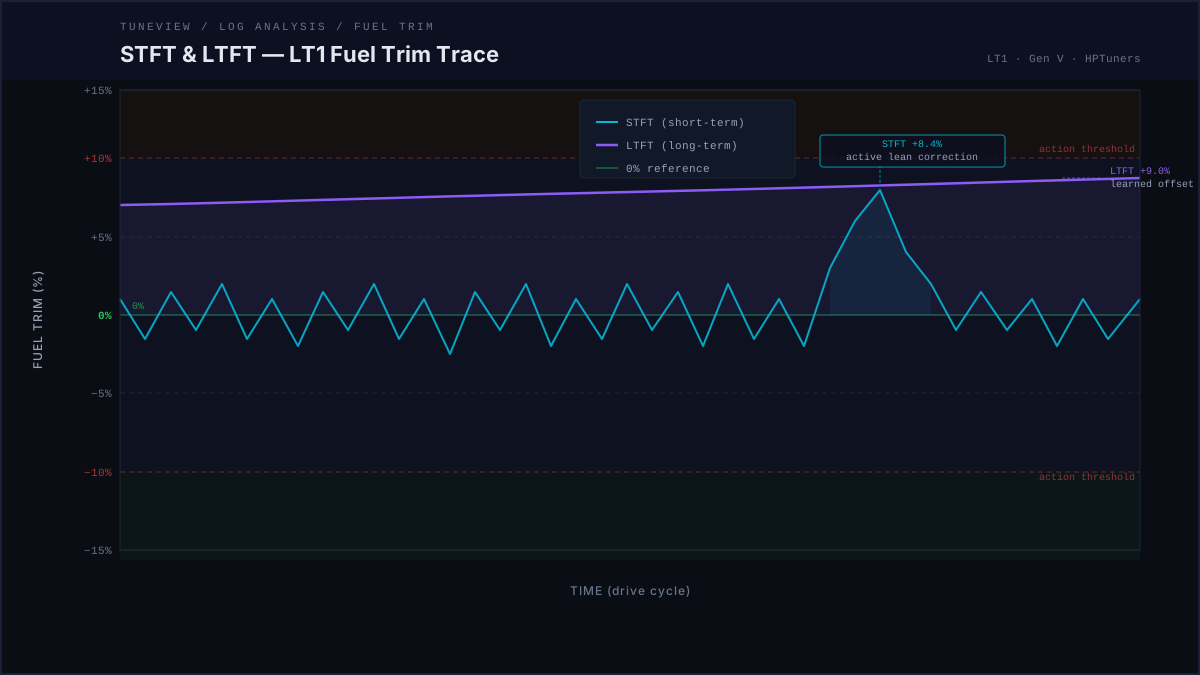
How to Read Fuel Trims on an LT1: What the Numbers Actually Mean
STFT and LTFT numbers in your HPTuners log are telling you something specific. Here's how to read them correctly on a Gen V LT1, and what the common error patterns look like.
The Outsider Bet
Why LambdaWorx builds software for the industries that the software industry ignores.
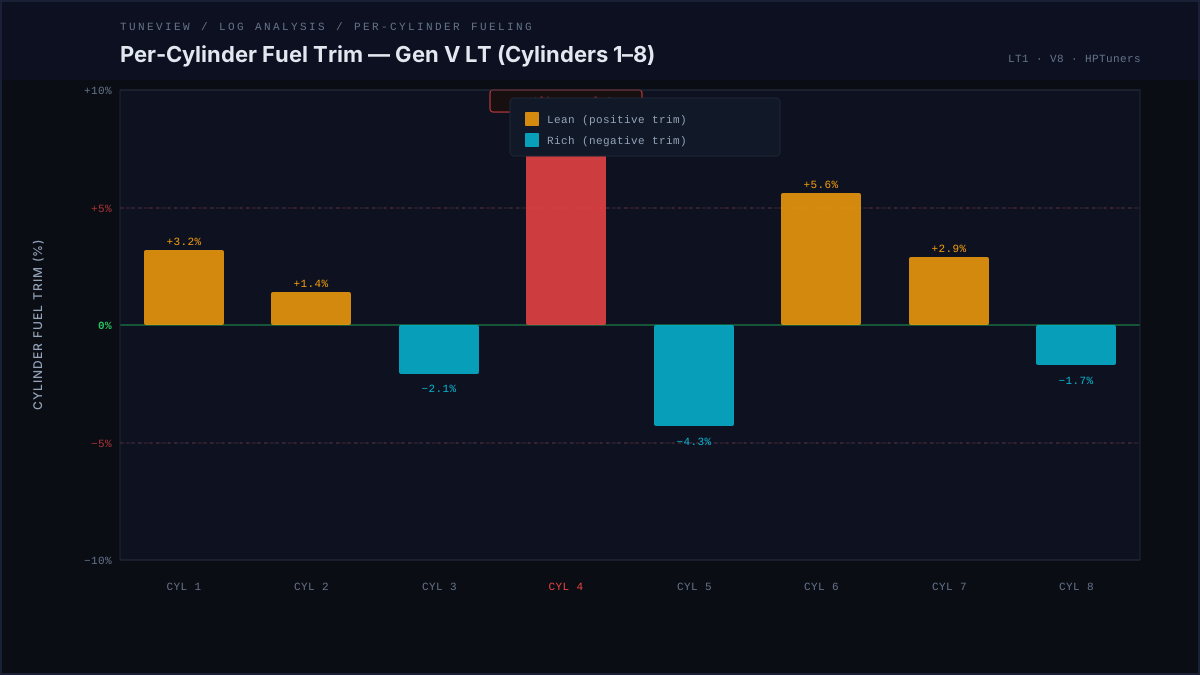
Per-Cylinder Injector Trim on Gen V LT
What bank-level lambda, injector data, and knock signals can - and cannot - establish about one cylinder.

Understanding Wideband Lambda Data
A primer on wideband O2 sensor data, what it tells you, and why narrowband isn't enough.