Start With the Limit
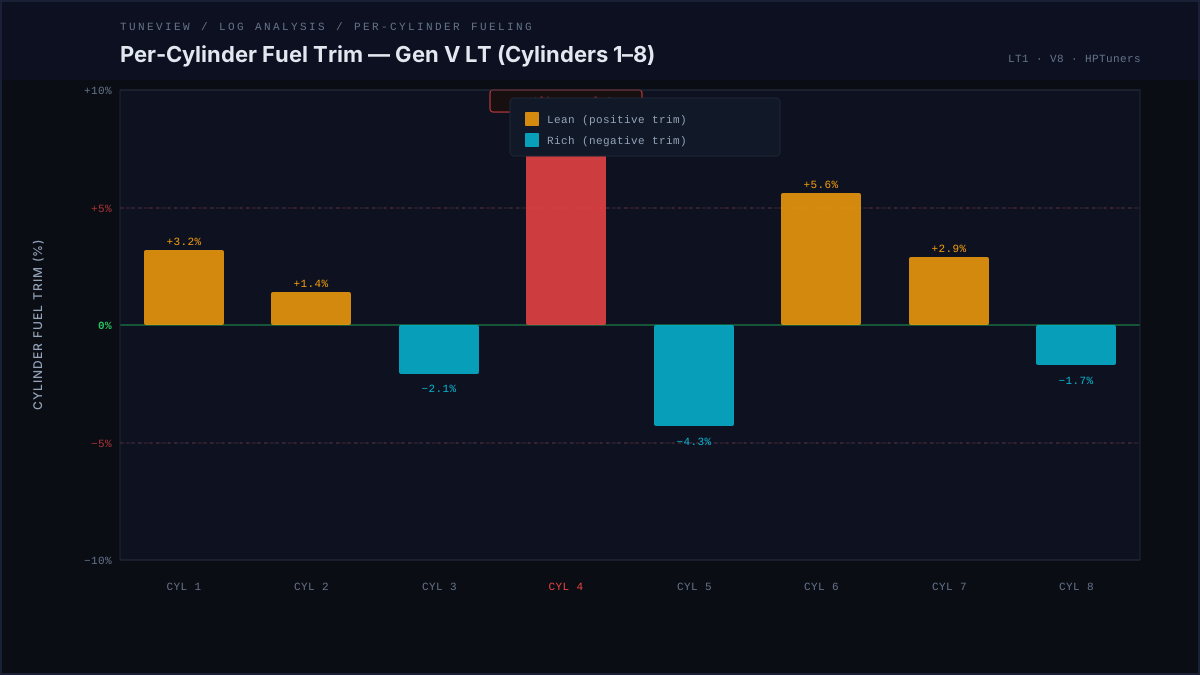
A bank-level wideband reading is useful evidence, but it is not a per-cylinder fuel-trim measurement. One sensor reports the mixture for its bank after all of those cylinders have contributed to the exhaust stream. A lean or rich bank can point a diagnostic in the right direction; by itself, it cannot prove that one injector, one cylinder, or one calibration value is responsible.
That distinction matters on a Gen V LT. An apparent cylinder-specific issue can be caused by a mechanical condition, ignition behavior, airflow distribution, or a logging signal that is not repeatable. Treating a bank-level reading as a cylinder-specific correction is how a useful log turns into a guess.
What Supports a Cylinder-Level Conclusion
A defensible diagnosis needs more than one number from one pull. Look for evidence that agrees in the same operating range:
- Repeatable cylinder attribution - when the available log channels identify the same cylinder across comparable events.
- Matched operating conditions - load, RPM, temperature, and fuel conditions close enough that two events can be compared.
- A supporting signal - for example, cylinder-attributed knock behavior, a plug reading, compression or leak-down results, injector testing, or another direct mechanical check.
- A clear separation from bank-level behavior - verify whether the pattern follows one cylinder or simply tracks the entire bank.
A calibration log is not an injector flow bench. The stronger the proposed cylinder-specific action, the stronger the corroborating evidence should be.
How to Use the Log Without Overreading It
Start with a clean, comparable log and record the channels that describe the event: RPM, load or airflow, MAP, commanded lambda, actual wideband lambda, spark, knock activity, fuel pressure, and temperatures. If the scanner exposes reliable cylinder-attributed data, keep it in the same log.
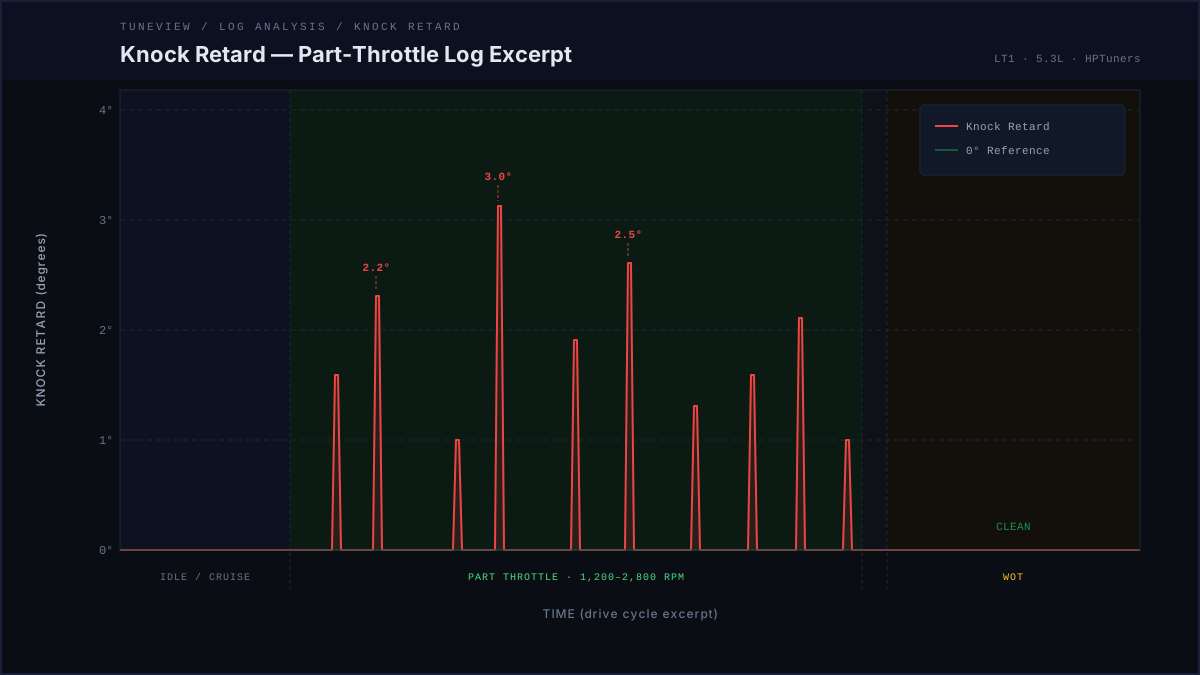
Then compare similar windows rather than averaging an entire drive. A brief knock event at one RPM and load point is different from a recurring pattern in the same cylinder under the same conditions. If the pattern cannot be repeated, it belongs in the report as an observation to verify, not as a cylinder-specific tune instruction.
Calibration Before Parts Is Not Always the Right Order
Do not use a bank-level lambda error alone to edit an individual injector value or cylinder-specific fuel adjustment. First rule out the direct causes that the log cannot measure: injector condition, plug and coil condition, compression, intake or exhaust leaks, and fuel delivery consistency.
When the evidence supports an airflow or fueling calibration issue, make the supported table-level change, document the operating range, and re-log under comparable conditions. The next log is the test. It should show whether the change improved the original behavior, made no difference, or exposed a different issue.
What TuneView Does With It
TuneView keeps each finding tied to the operating range and available log evidence. Its revision plan names supported HP Tuners table and cell actions when the evidence is sufficient. When a log does not establish a cylinder-level conclusion, the assessment stays at the level the data can support and identifies what would need to be verified next.
That keeps a first case focused on a repeatable loop: baseline log, evidence-backed P1-P4 revisions, and a comparable follow-up log for a measured verdict.
Start a First Case
Full Tune is $69 one-time for one vehicle/motor, with unlimited analyses and revision rounds and no expiration.