Narrowband vs. Wideband
Factory narrowband O2 sensors report a binary signal: rich or lean relative to stoichiometric (14.7:1 AFR for gasoline). They switch between ~0.1V (lean) and ~0.9V (rich) with a narrow transition band.
Wideband sensors measure the actual air-fuel ratio across a continuous range — typically 10:1 to 20:1. This precision is what makes real diagnostic analysis possible.
Why It Matters for Diagnostics
With narrowband data, you know the engine was lean or was rich. With wideband, you know it was 14.2:1 — and that's a fundamentally different diagnostic input.
Combined with high-speed logging (HPTuners, EFILive), wideband data enables:
- Per-cylinder fuel trim analysis
- Transient fueling response measurement
- Catalyst efficiency diagnostics beyond the binary pass/fail of a P0420
Reading Wideband Logs
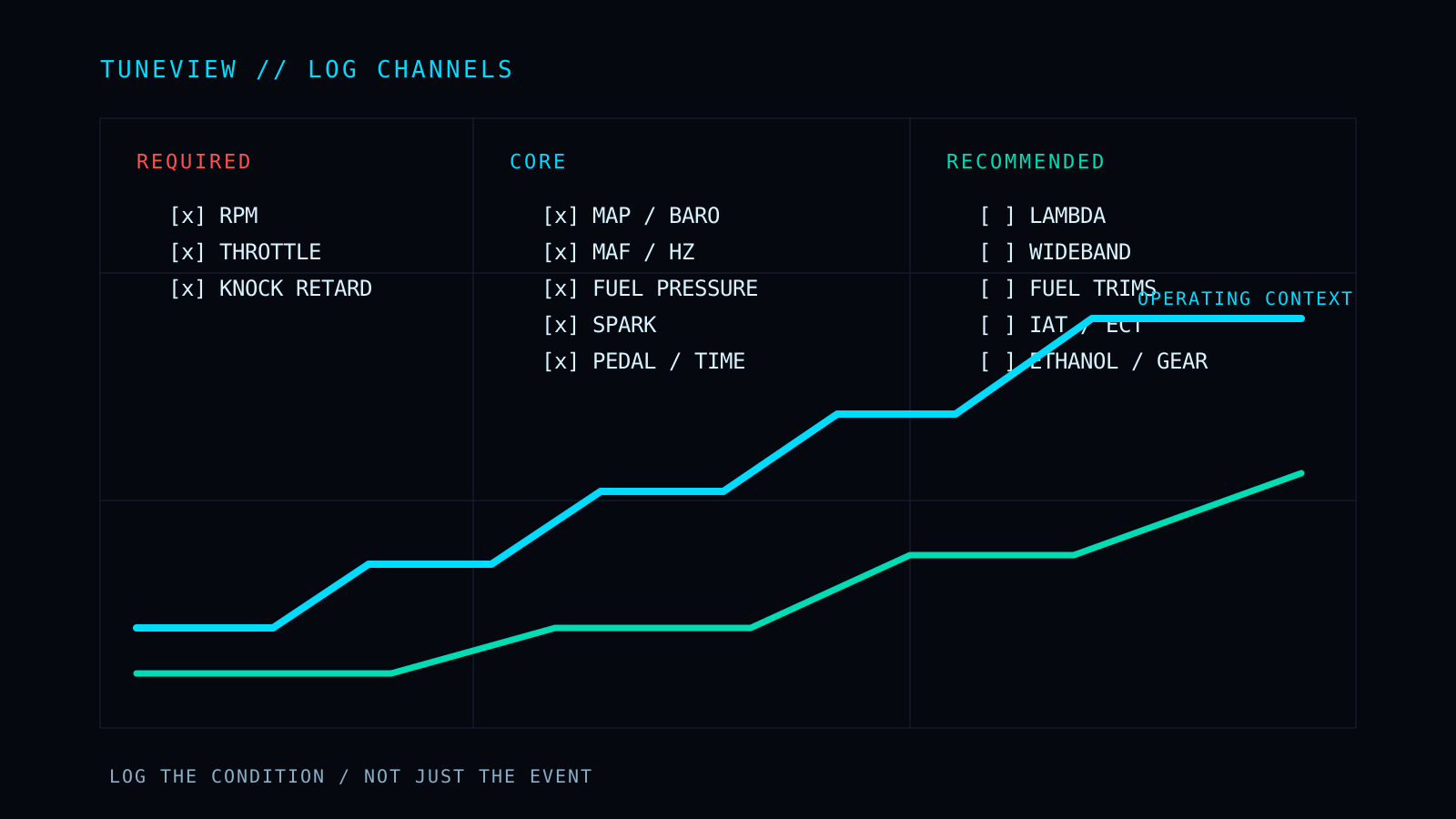
The key parameters to watch in any wideband log:
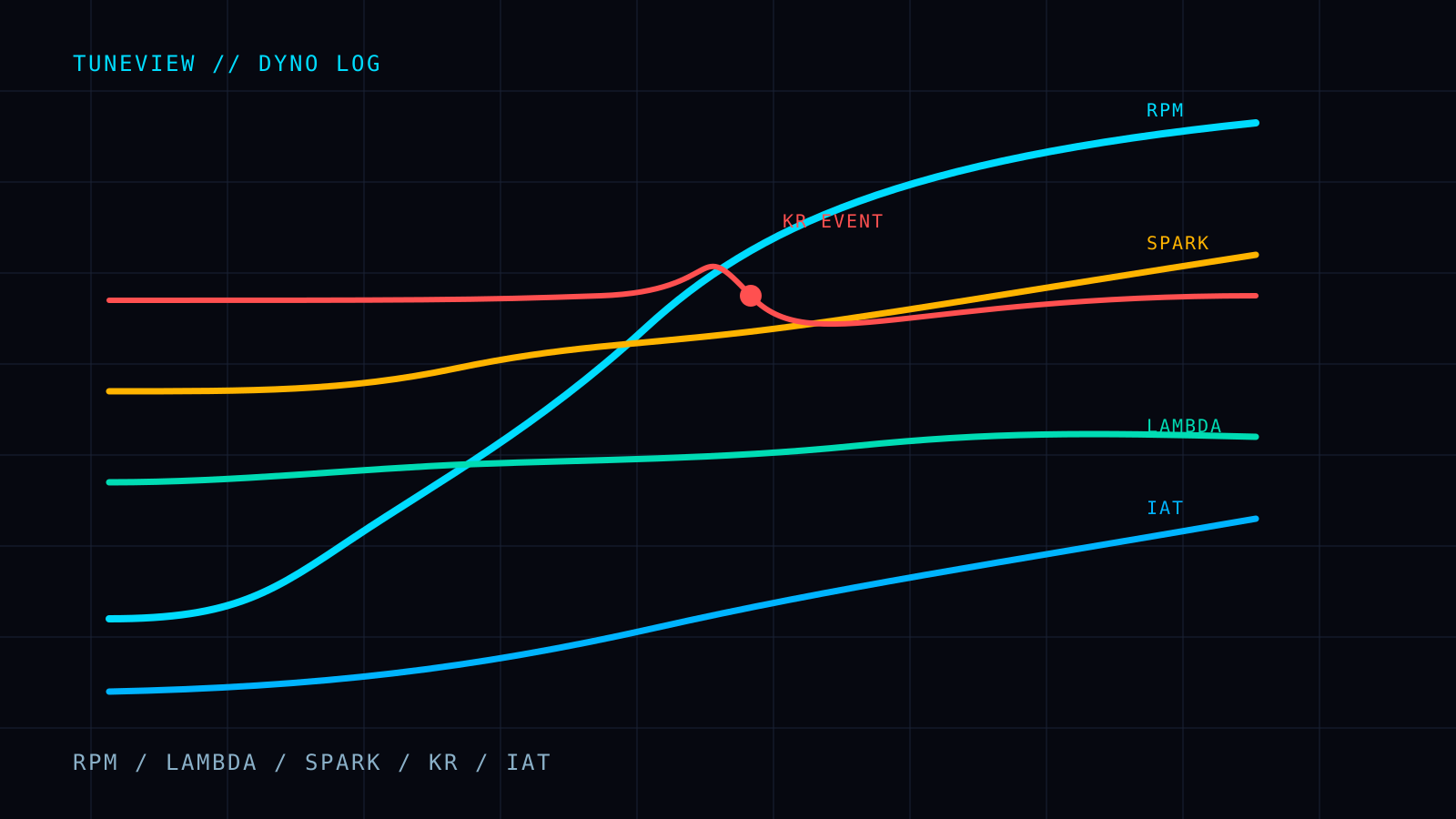
- Lambda — The ratio value (1.0 = stoich). Values below 1.0 are rich; above 1.0 are lean.
- Commanded AFR — What the ECU is targeting. Compare against actual.
- Sample rate — Below 5 Hz, transient events are invisible. 10 Hz minimum for useful cylinder-level analysis.
What TuneView Does With It
TuneView reads wideband lambda alongside the relevant scanner channels and keeps the findings tied to the log evidence.
Full Tune is $69 one-time for one vehicle/motor, with unlimited analyses and revision rounds and no expiration.