A dyno session gives you a controlled way to measure a change. It does not make a bad log useful.
The goal is simple: record enough context to explain what the engine did at every point in the pull, then repeat the same test conditions after each calibration change. This guide is written for HP Tuners VCM Scanner, but the channel logic applies to any scanner.
Before the Car Is on the Dyno
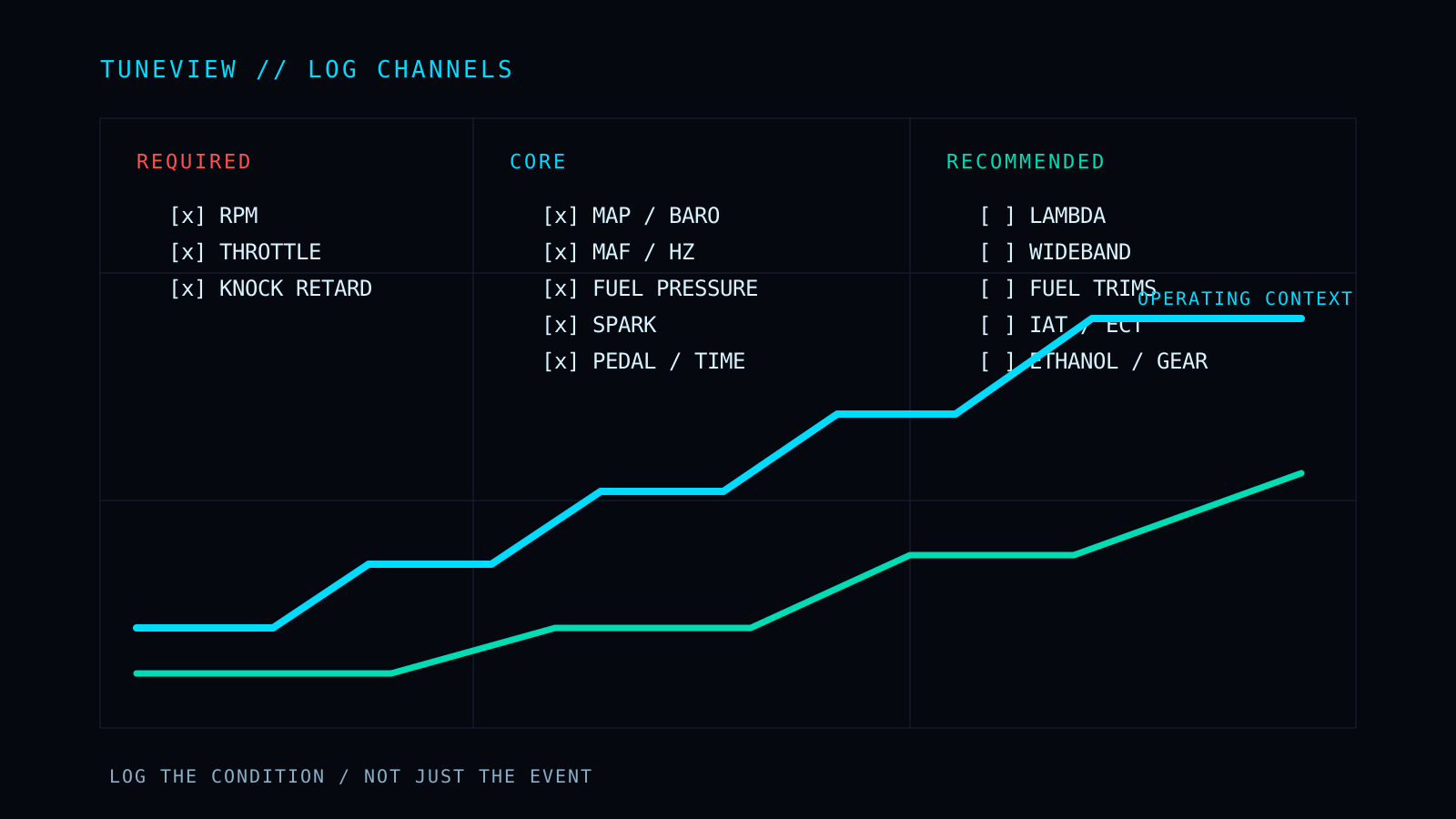
Build and save the channel list before the appointment. Do not spend the first hour of dyno time hunting through a scanner menu.
Start with the basics:
- Engine speed / RPM - anchors every event in the pull.
- Vehicle speed and gear - confirms the pull started in the intended gear and helps identify shifts or wheelspin.
- Throttle position and pedal position - tells you whether the run was actually wide open.
- Calculated engine load and airflow - use the load model and airflow channels appropriate to the platform.
- Spark advance and knock retard - shows commanded timing and the ECM response.
- Lambda or wideband AFR, plus commanded lambda/equivalence ratio - actual fuel needs a target beside it.
- Fuel pressure - log low- and high-side pressure where the vehicle provides both.
- Intake air temperature, coolant temperature, and oil temperature - temperature changes explain a surprising amount of variation between pulls.
- MAP and barometric pressure - essential on boosted applications; pressure ratio, not throttle position, identifies boost.
For boosted, direct-injected, or modified combinations, add the relevant platform-specific channels before deciding the list is complete. Injector pulse width, fuel-pump command, intercooler temperature, transmission temperature, and wastegate or bypass position can be important. The right list is the smallest one that still explains the limits of the combination.
Set a Useful Sample Rate
Logging more channels is not always better. A scanner has finite bandwidth, and an oversized channel list can make the data too slow to resolve a transient or a short knock event.
As a working baseline, aim for at least 10 samples per second through a full-throttle pull. If your rate falls below that, remove channels that do not inform the current test before you remove RPM, lambda, spark, knock, pressure, or temperature data.
Write the channel list down with the tune version. If the list changes halfway through the day, make a note. You cannot compare two pulls cleanly when one is missing the data that explains the other.
Start With a Baseline Pull
The first clean pull is the reference point. Let the engine reach a stable operating temperature, record the fuel in the car, note ambient conditions, and run the same gear you expect to use for the rest of the session.
Before the pull, confirm:
- No active fault or limp-mode condition is masking the result.
- The dyno operator, vehicle owner, and tuner agree on the gear, RPM range, and stop conditions.
- Tires, straps, cooling fans, and vehicle position are settled before the pull starts.
- The scanner begins recording before the throttle application and keeps recording until after the engine is back out of load.
The dyno chart is useful, but it is not the whole record. Name the log with the tune revision and pull number, such as 2026-07-12_rev03_pull02. A screenshot without the underlying log loses the channels needed to explain a result.
What to Watch During the Pull
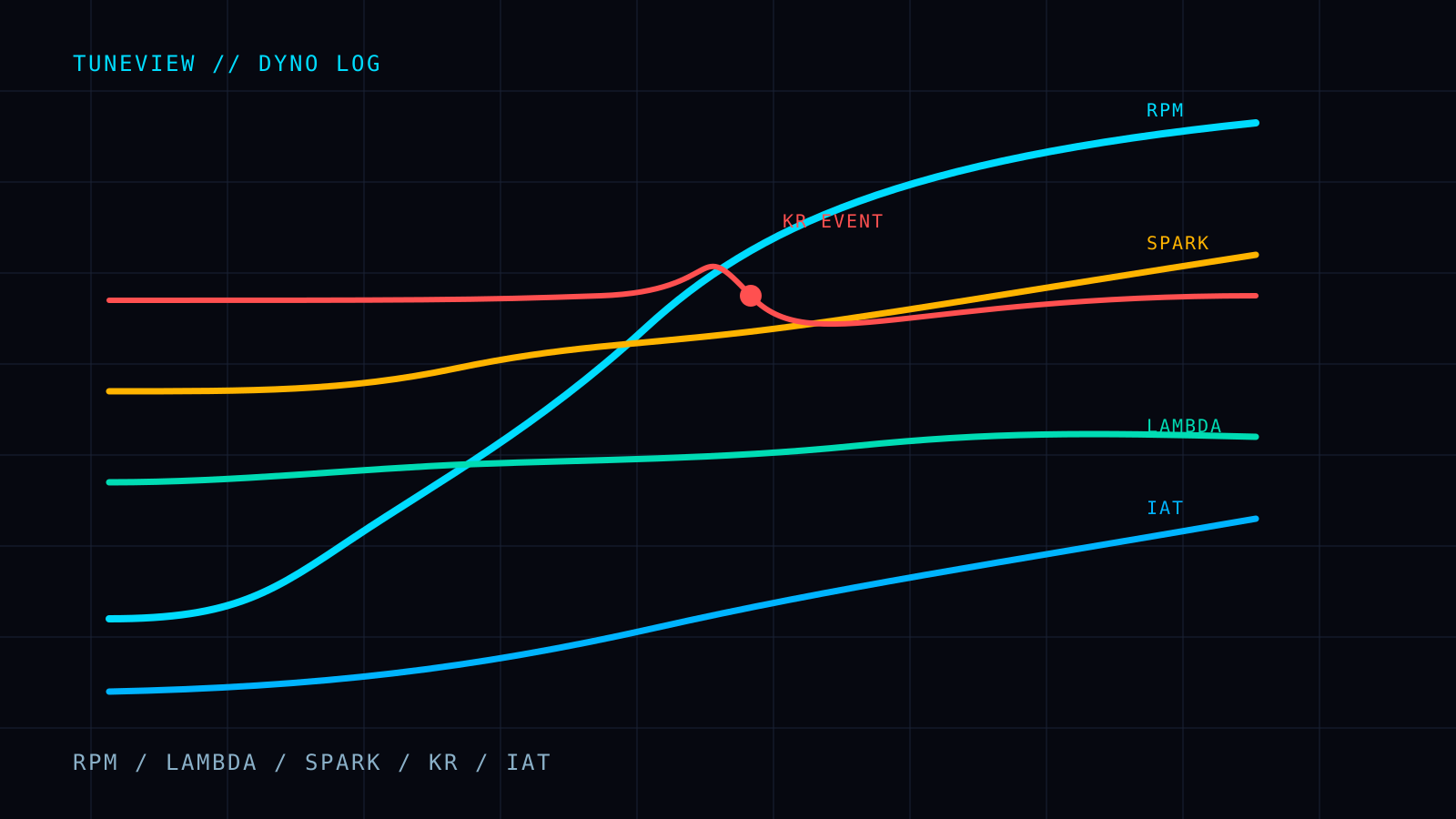
Do not tune by peak horsepower alone. Watch the channels for patterns that tell you why power changed.
Fueling
Compare actual lambda to the commanded value through the complete loaded region. A repeatable deviation needs investigation before you use spark to chase power. On a direct-injected engine, confirm fuel pressure stays where the system can support the commanded fuel.
Spark and Knock
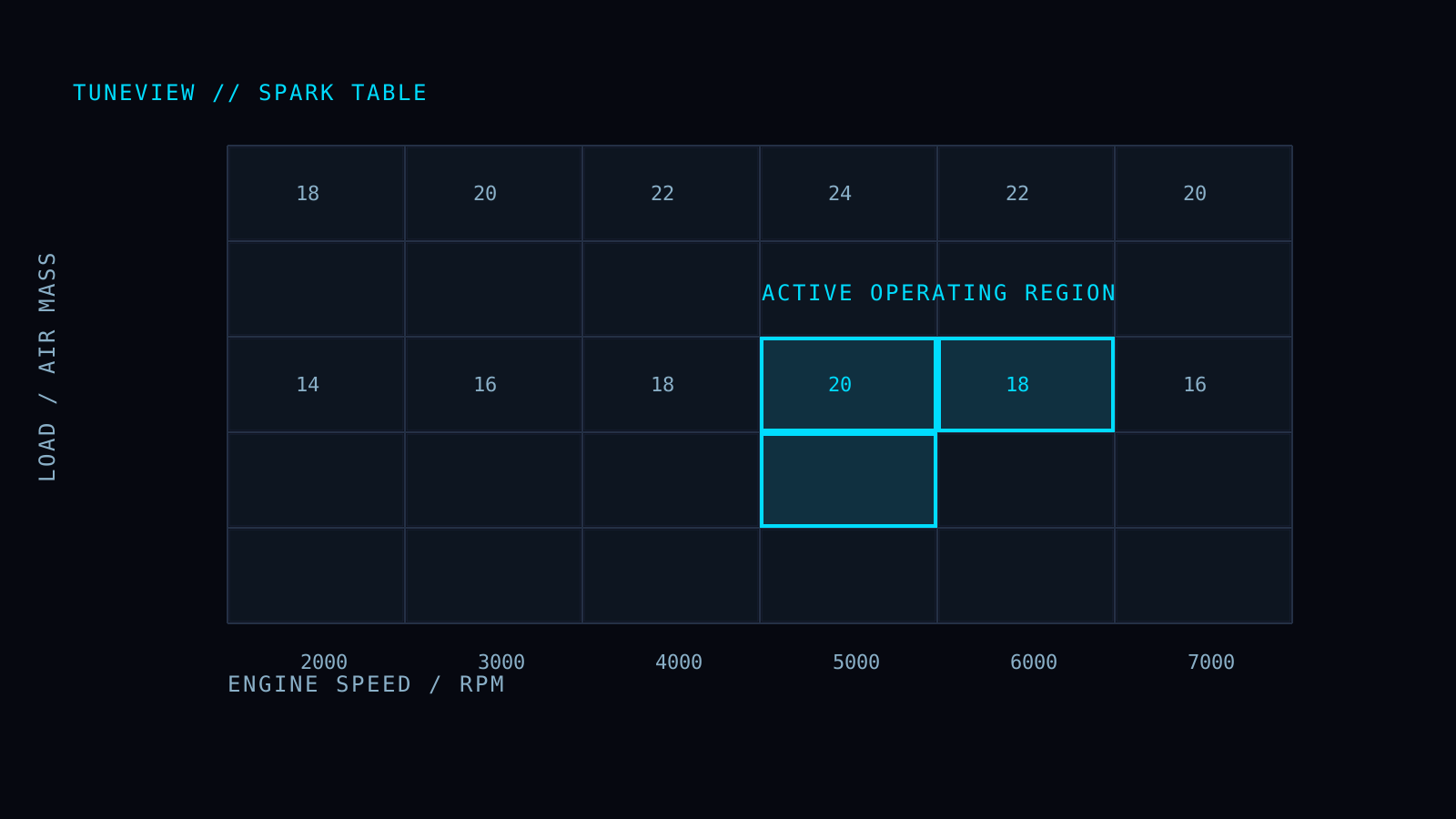
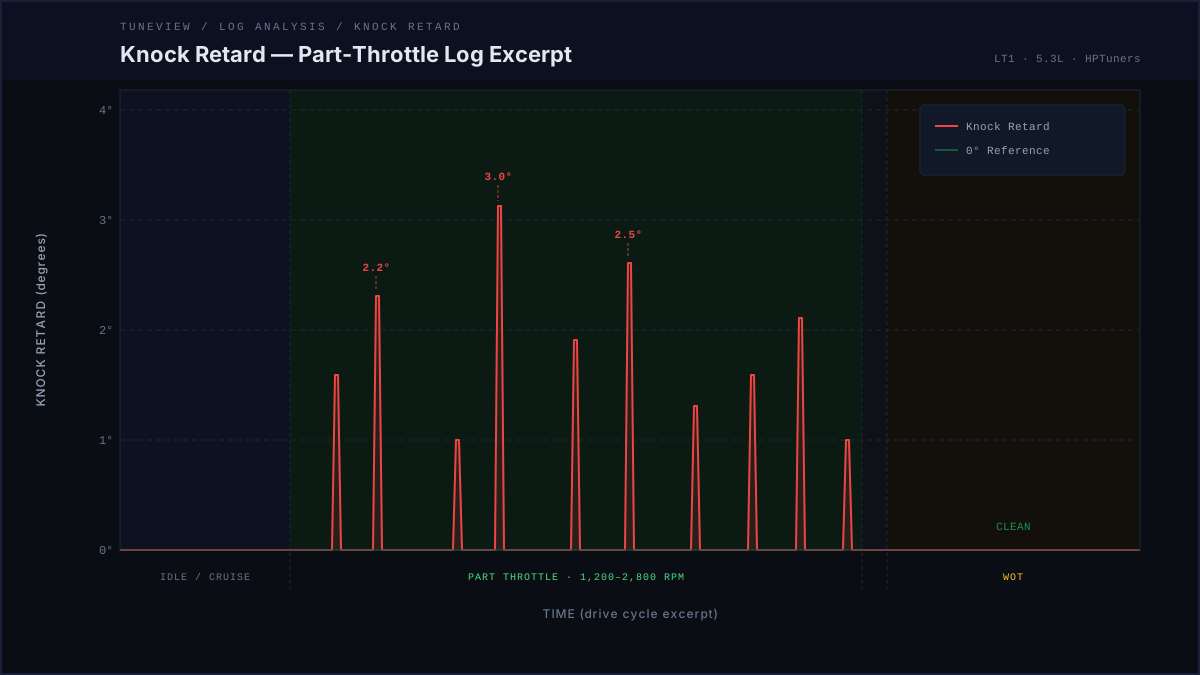
Spark advance is only meaningful beside knock retard, lambda, IAT, and load. A repeatable knock-retard event at the same RPM and load deserves attention. A one-off event that never returns may be noise, so confirm the pattern before changing the calibration.
For a deeper breakdown, see How to Read Knock Retard in an HPTuners Log.
Temperature
Cooling conditions must be consistent from pull to pull. Rising intake-air temperature can reduce knock margin and activate temperature-based corrections even when the tune file did not change. Note fan position, cooldown time, and IAT before comparing results.
Boosted Applications
Use MAP divided by barometric pressure to determine whether the engine is in boost. A pressure ratio at or above 1.02 is the valid threshold. If there is no usable MAP channel, do not infer boost from throttle position or RPM.
Change One Thing, Then Repeat
Make one calibration change that answers one question, save a new revision, and repeat the same pull. If you change fueling, spark, torque limits, and airflow modeling at once, the resulting power change does not tell you which change helped or which one introduced risk.
Between pulls, preserve these conditions as closely as practical:
- Same gear and RPM window
- Same dyno configuration and cooling setup
- Similar coolant and intake-air temperatures at pull start
- Same fuel and tire pressure
- Same scanner channel list and sample rate
When the conditions move, write it down. A log with honest notes is more useful than a larger stack of unlabeled pulls.
After the Session
Keep the original logs, the dyno sheets, and every tune revision together. The final pull may look good, but the path to it is what helps diagnose a change in later weather, fuel, or hardware conditions.
Upload the clean baseline and follow-up logs to TuneView after creating an account. Full Tune is $69 one-time for one vehicle/motor, with unlimited analyses and revision rounds and no expiration. TuneView can compare the log evidence across revisions and keep the next action tied to the observed result.
TuneView helps HP Tuners users turn scanner logs into guided calibration revisions. Support for GM platforms is live.